The Inaugural Showdown: F1 Australia 2026 Kicks Off a New Era
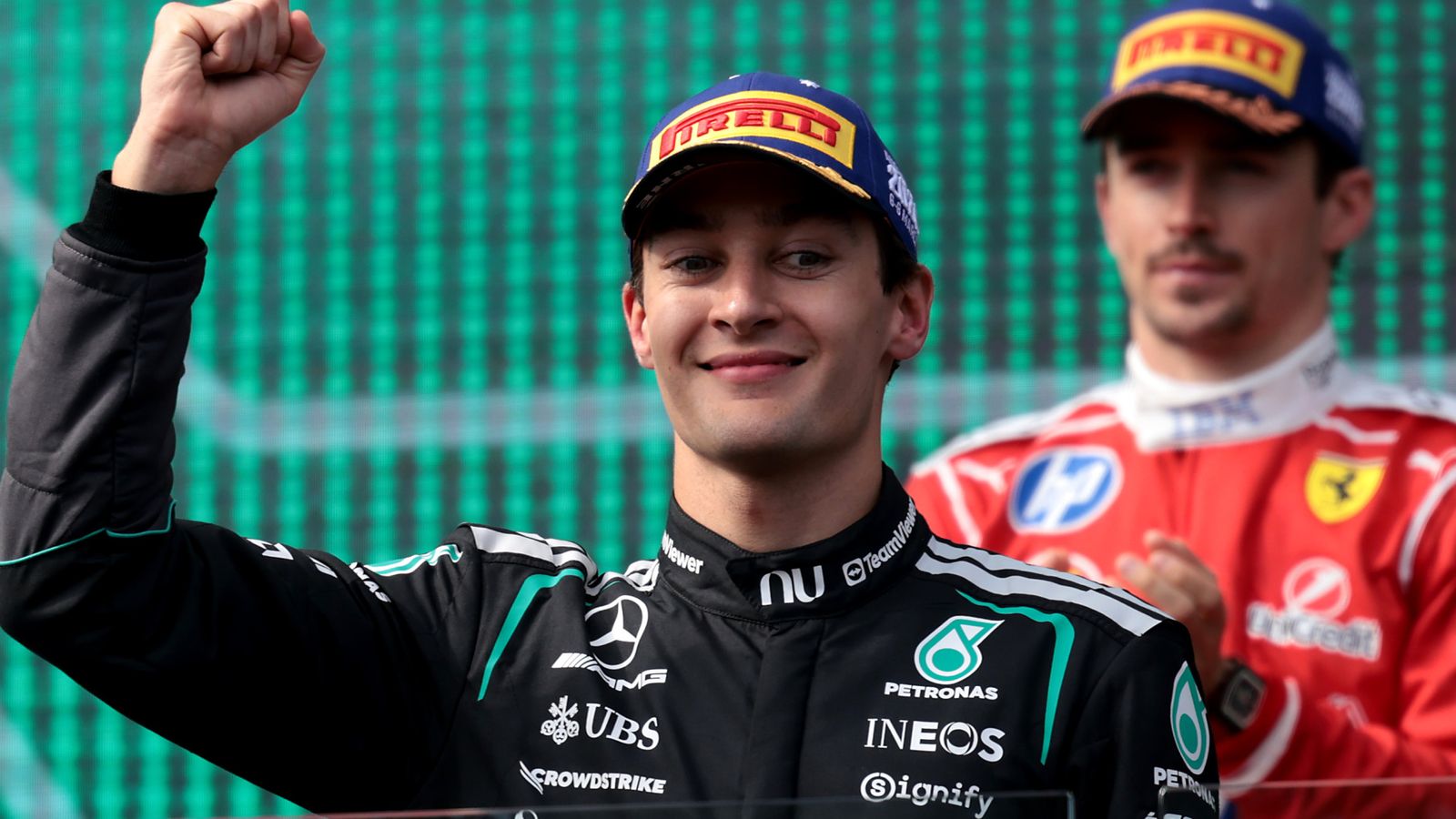
The roar of engines echoing through Melbourne’s Albert Park circuit in March 2026 marked not just the beginning of another Formula 1 season, but a pivotal moment in the sport's history. With a sweeping overhaul of technical regulations, the fórmula 1 austrália 2026 Grand Prix was always destined to be more than just a race; it was a grand unveiling, a litmus test for every team's engineering prowess, and a crucial indicator of who had truly mastered the new rulebook. As the dust settled and the checkered flag waved, one name stood out decisively: George Russell, who steered his Mercedes to a sensational victory, setting the tone for what promises to be an unpredictable and thrilling championship.
The anticipation leading up to the 2026 season was palpable. Fans and pundits alike were eager to see how the radical changes – particularly to the power units and aerodynamic principles – would reshape the competitive landscape. Would the established giants maintain their dominance, or would a new challenger emerge from the pack? Albert Park, with its mix of fast sweeps and tight chicanes, often provides an enthralling opening chapter, and the 2026 edition certainly lived up to the hype, delivering a race fraught with strategic gambles, dramatic overtakes, and unexpected twists that immediately clarified who the early winners and losers were.
George Russell and Mercedes: The Definitive Winners of Fórmula 1 Austrália 2026
Without a doubt, the standout winners from the fórmula 1 austrália 2026 Grand Prix were George Russell and the Mercedes-AMG Petronas F1 Team. Russell’s triumph wasn't merely a stroke of luck; it was a testament to his exceptional driving skill, Mercedes' engineering brilliance in adapting to the new regulations, and flawless race execution. From the moment the lights went out, Russell demonstrated remarkable control over his radically redesigned car, navigating the challenges of Albert Park with precision and aggression. This triumph, extensively covered in articles like George Russell Victorious at 2026 F1 Australian GP, cemented his status as a formidable contender for the drivers' championship.
Mercedes' performance was particularly significant because 2026 introduced entirely new engine regulations focusing on sustainable fuels and increased electrical power, alongside active aerodynamics designed to improve racing. Many expected a reshuffling of the pecking order, and Mercedes' early dominance suggested they had hit the ground running better than most. Their power unit appeared robust, their chassis responsive, and their strategic calls impeccable. This early success provides a massive confidence boost and invaluable data for the long season ahead. His performance, a masterclass in adapting to the radically new machinery, became a focal point for analysis, as highlighted in pieces such as F1 Australian Grand Prix: Russell's Key Win.
Other Contenders and Emerging Strengths from the Opening Race
While Russell and Mercedes stole the headlines, several other teams and drivers showed strong promise, signaling their intent for the season. Red Bull Racing, despite the monumental changes, demonstrated that they remain a force to be reckoned with. While not securing the win, a podium finish or strong points haul indicated their continued ability to develop competitive machinery, even if they initially lagged slightly behind Mercedes in pure pace. Their resilience and strategic acumen kept them in contention throughout the race.
Ferrari also showed flashes of brilliance. The Scuderia's new package appeared to have improved in certain areas, particularly in qualifying pace, suggesting that their development trajectory was positive. An impressive performance from one of their drivers, even if it didn't result in a win, would have offered hope to the Tifosi. McLaren, too, might have surprised many with their adaptability, showcasing strong racecraft and competitive performance, hinting at a potential resurgence or consolidation of their midfield leadership. The beauty of new regulations is the opportunity for teams to leapfrog others, and the Albert Park opener certainly highlighted some unexpected improvements and new rivalries forming.
The Losers' Circle: Who Stumbled at Albert Park in F1 2026?
As with every race, where there are winners, there are also those who leave the circuit with a sense of disappointment. The fórmula 1 austrália 2026 Grand Prix proved to be a harsh awakening for several teams and drivers who struggled to adapt to the new regulatory landscape. One of the most common pitfalls in the first race under new rules is reliability. Teams pushing the boundaries of engineering often face teething problems, and several cars might have succumbed to technical failures, forcing retirements and costing valuable points. These early retirements are not just mechanical setbacks but also crucial missed opportunities for data gathering, which can hobble a team's development in the initial phase of the season.
Beyond reliability, some teams simply failed to extract the required performance from their new packages. This could manifest as a lack of straight-line speed, poor cornering stability, or excessive tyre degradation – all critical factors at a circuit like Albert Park. A team that was dominant in previous seasons might find themselves unexpectedly battling in the midfield, indicating they misinterpreted the regulations or struggled with their design philosophy. This early underperformance puts immense pressure on development teams back at the factory, necessitating rapid adjustments and a quick understanding of where their car's fundamental weaknesses lie.
Challenges and Lessons Learned from the Australian Opener
For drivers, the new regulations likely presented a significant challenge in car handling. Active aerodynamics and altered power unit dynamics require a different driving style and greater finesse. Drivers who struggled to adapt quickly to these nuances would have found themselves off the pace, making costly mistakes, or battling with an uncooperative machine. A seasoned veteran might have found the transition tougher than a younger driver more accustomed to adapting, or vice versa. Track incidents, penalties for minor infringements, or strategic blunders (like mistimed pit stops or incorrect tyre choices) would also have contributed to a disappointing weekend for others.
Ultimately, the "losers" from the Australian Grand Prix weren't necessarily condemned for the entire season, but they certainly left Melbourne with a stark understanding of the work that lay ahead. The lessons learned from Albert Park – whether related to reliability, performance, or strategy – are invaluable. Teams will meticulously analyze every data point, seeking to rectify shortcomings before the championship moves to its next destination.
Implications Beyond Melbourne: The Road Ahead for Fórmula 1 Austrália 2026
The fórmula 1 austrália 2026 Grand Prix was much more than just a single race; it was the first chapter in a brand new saga for Formula 1. George Russell’s victory and Mercedes’ strong performance immediately position them as early favorites, but the nature of new regulations means that the "development race" off-track will be as intense as the battles on it. Teams that initially struggled will pour resources into upgrades, while those who started strong will fight to maintain their advantage. We can expect a rapid evolution of car designs throughout the season, with the pecking order potentially shifting at every race.
For fans, the Australian opener offered a thrilling preview of the competitive drama to come. The significant changes in car design and performance characteristics could lead to more varied strategies, closer racing, and unexpected heroes. Tips for following the rest of the season: pay close attention to mid-season upgrades, which teams are consistently improving, and how different circuits favour various car philosophies. The initial read from Albert Park provides a baseline, but the true champions of 2026 will be those who adapt fastest and most effectively over the entire calendar.
Conclusion: The 2026 Formula 1 Australian Grand Prix delivered a captivating start to a new era of racing. George Russell’s dominant victory for Mercedes was a clear highlight, underscoring their mastery of the new technical regulations and establishing them as early championship front-runners. While some teams celebrated their early success, others were left to ponder significant challenges, highlighting the brutal learning curve inherent in a season of such profound change. As the caravan moves on from Melbourne, the lessons from Albert Park will fuel an intense development battle, promising an exhilarating and unpredictable fórmula 1 austrália 2026 season for fans around the globe.